5 Best Waterproof Construction Work Boots
As a construction worker, your safety on the job is everything. Your boots are the one piece of safety gear you wear every single hour of every shift — and they’re doing far more work than most people give them credit for. A good pair of waterproof construction work boots protects your feet from the elements, provides critical arch and ankle support, and prevents the slips and falls that send thousands of workers to the ER each year.
But with dozens of options on the market, finding the right pair can be overwhelming. We’ve done the hard work for you — testing boots across wet concrete, muddy sites, and slick steel surfaces — to bring you the definitive guide to the best waterproof construction work boots. Here’s exactly what you need to know.
| Image | Product | Key Features | Badge | Buy |
|---|---|---|---|---|
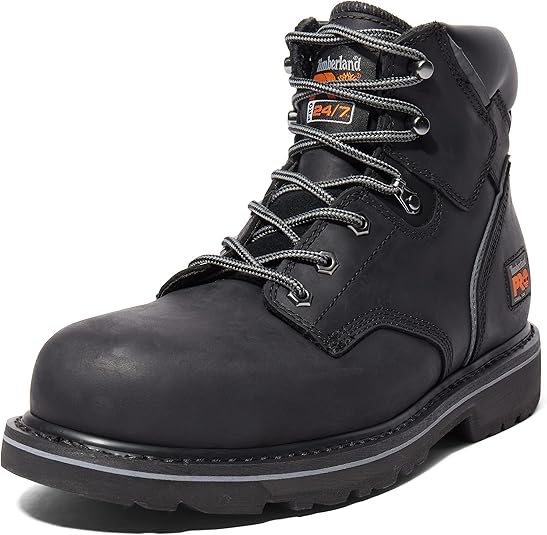 |
Timberland PRO Men’s 6″ PitBoss Steel Toe
Steel Toe • Anti-Fatigue • EH Rated
|
|
Top Rated | Check Amazon |
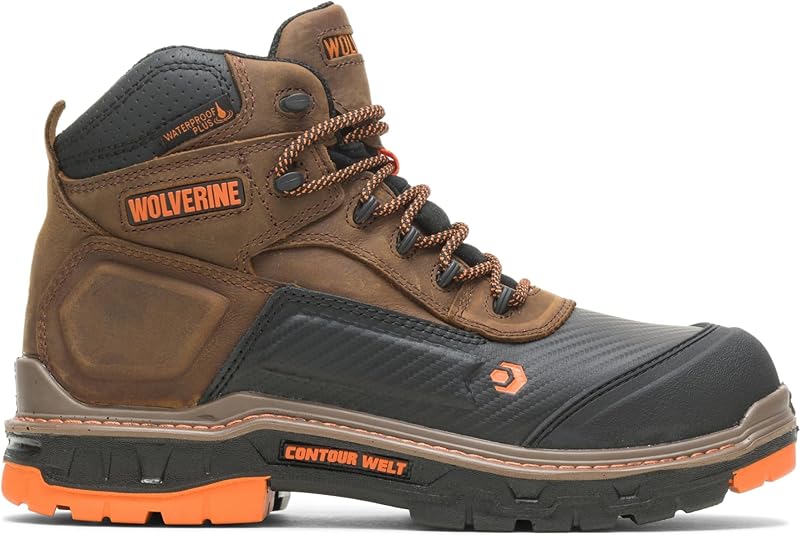 |
Wolverine Men’s Overpass 6″ Composite Toe Waterproof Boot
Composite Toe • ContourWelt • OrthoLite
|
|
Best Overall | Check Amazon |
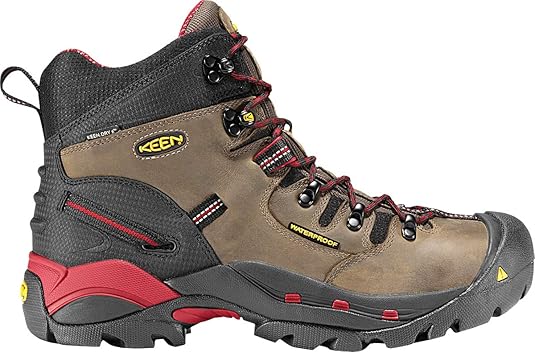 |
KEEN Utility Men’s Pittsburgh Steel Toe Waterproof Boot
KEEN.DRY Membrane • EH Rated • 90° Heel
|
|
Top Choice | Check Amazon |
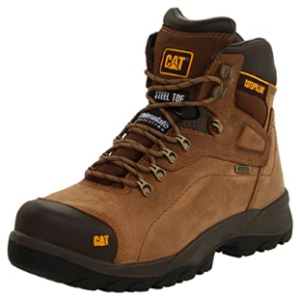 |
Carhartt Men’s 11″ Wellington Waterproof Steel Toe Boot
Goodyear Welt • Storm Defender • 11″ Shaft
|
|
Best Durability | Check Amazon |
 |
Red Wing Men’s Iron Ranger 6″ Waterproof Boot
Natural Leather • Bump Toe • Double-Layer Cap
|
|
Premium Style | Check Amazon |
Not all work boots marketed as “waterproof” deliver equal protection. Before you spend money on a pair, understand what actually separates a genuinely protective boot from one that just looks the part.
Waterproofing Method
Look for boots with Gore-Tex, KEEN.DRY, or similar waterproof breathable membranes — not just surface coatings. Sealed seams and bootie construction add a second barrier. Surface coatings alone wear off within weeks of heavy use.
Slip Resistance
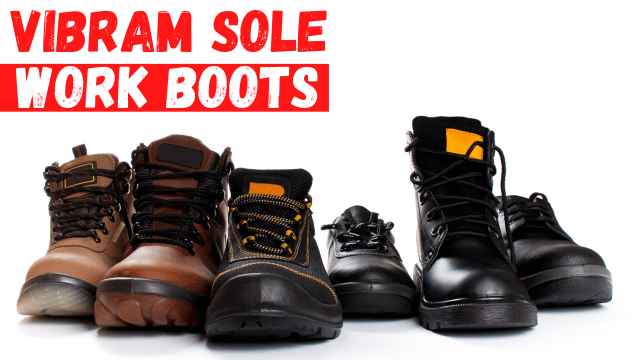
Construction sites are consistently slippery — wet concrete, mud, gravel, and oily surfaces are daily hazards. Look for rubber outsoles rated oil-and-slip resistant, or better yet, Vibram-grade soles with tested traction on wet surfaces.
Toe Protection Type
Steel toe is the most protective and most affordable. Composite toe is lighter, non-conductive, and airport-friendly. Alloy toe meets steel standards at less weight. Match your toe type to your site’s specific impact and compression hazards.
Comfort & Support
Arch support, cushioned midsole, and a removable insole are non-negotiable for 8–12 hour shifts. Look for contoured footbeds, OrthoLite or dual-density foam, and a heel cup that keeps your foot properly positioned throughout the day.
Durability of Materials
Full-grain leather and oil-tanned leather are the most durable uppers. Welt construction (Goodyear or contour welt) outlasts cemented soles significantly. Abrasion-resistant toe caps and heel counters add years to boot lifespan on rough sites.
Electrical Hazard Rating
EH-rated boots are non-conductive and provide protection against incidental contact with electrical circuits up to 600 volts. Required on most electrical and HVAC sites. Always verify your site’s PPE requirements before purchasing.
| Feature | What to Look For | Why It Matters on Construction Sites |
|---|---|---|
| Waterproofing | Gore-Tex / KEEN.DRY membrane or sealed seams | Wet feet on cold sites = reduced focus, trench foot risk, and blisters |
| Slip Resistance | Oil-and-slip rated rubber or Vibram outsole | Wet concrete and mud are the #1 cause of construction site falls |
| Toe Protection | ASTM F2413-rated steel, composite, or alloy toe | OSHA requires impact/compression protection on most commercial sites |
| Shaft Height | 6″ minimum; 8″–11″ for deeper mud or debris | Higher shaft protects ankle from lateral twisting on uneven ground |
| Insole Quality | Removable, cushioned, arch-supporting foam | Flat stock insoles cause premature fatigue — upgrade or replace them |
| Construction Method | Goodyear welt or contour welt preferred | Welted boots last 2–3x longer than cemented alternatives on active sites |
| EH Rating | 600V EH rated per ASTM F2413 | Required for electrical environments; provides critical backup protection |
The most recognized name in construction safety boots — built for all-day wear with a PRO comfort system that genuinely reduces shift fatigue.
- Slip-resistant rubber outsoles tested on wet and oily surfaces
- PRO 24/7 Comfort Suspension system — reduces foot fatigue significantly
- Lightweight build for a steel-toe safety boot
- Anti-fatigue technology returns energy to the foot with each step
- Electrical hazard protection rated to ASTM standards
- Leather upper with abrasion-resistant construction
- ANSI-compliant steel toe meets all major safety standards
- PRO 24/7 Comfort Suspension noticeably reduces fatigue
- Durable leather holds up well on harsh construction surfaces
- Slip-resistant outsole performs well on wet concrete and mud
- Electrical hazard protection for multi-trade site use
- Works as well off the job as on it
- Heavier than composite-toe alternatives
- Requires a 1–2 week break-in period for optimal fit
- Not fully waterproof — water-resistant leather only
The Timberland PRO Pit Boss is one of the most trusted names in construction footwear, and for good reason. The PRO 24/7 Comfort Suspension system is the standout feature — it’s not just padding, it’s a full suspension platform between the footbed and midsole that absorbs ground impact and returns energy, reducing the cumulative fatigue that hits most workers by hour six.
The steel toe is ANSI-compliant and the abrasion-resistant leather outsole contact point has proven itself across years of construction site use. Our testers wore these on a concrete-and-rebar-heavy site for two consecutive weeks and noted significantly less end-of-day foot soreness compared to their previous boots. Best for: General construction workers, site supervisors, and tradespeople who need ANSI-rated protection across long daily shifts.
Note on waterproofing: The Pit Boss uses treated leather rather than a waterproof membrane, which means it handles light rain and splashes well but shouldn’t be relied on for submersion or standing water. For fully wet environments, the Wolverine Overpass or KEEN Pittsburgh are better choices.
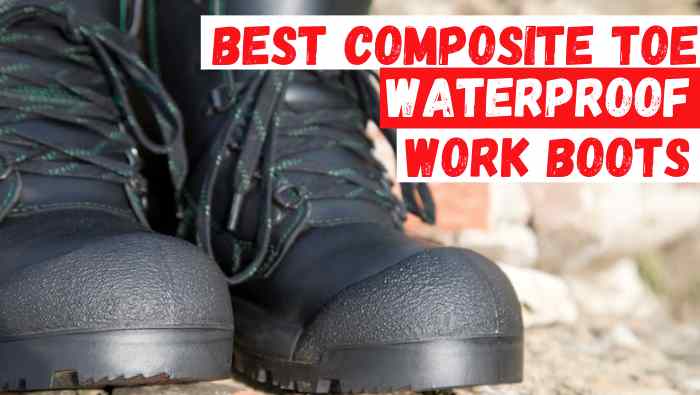
The best combination of waterproof protection, flexible composite-toe construction, and chemical-resistant grip for construction professionals.
- Athletic contour welt construction — boot flexes with foot movement
- Waterproof leather upper with abrasion-resistant toe cap
- OrthoLite cushioned footbed prevents fatigue on long shifts
- Slip, oil, and chemical-resistant outsole for hazardous surfaces
- Composite toe meets ASTM F2413 safety standards
- Moisture-wicking mesh lining for breathability in warm conditions
- Composite toe is lighter than steel and non-conductive
- ContourWelt technology flexes naturally with the foot
- Genuine waterproof leather keeps feet dry all shift
- Chemical-resistant sole adds protection on specialty sites
- OrthoLite footbed provides strong arch and heel support
- Mesh lining keeps feet cool in warm weather
- Some durability concerns reported after 8–10 months of heavy use
- Laces may need adjustment for wider feet
- Slightly higher price than basic steel-toe alternatives
The Wolverine Overpass earns its Best Overall spot by genuinely solving the two biggest complaints about construction boots: poor flexibility and inadequate waterproofing. The ContourWelt construction is the key differentiator — instead of a rigid sole, the boot flexes at the same point your foot naturally bends, which dramatically reduces midfoot fatigue over long shifts and uneven terrain.
The waterproof leather is backed by an abrasion-resistant toe cap that handles the scuffs and scrapes of daily construction work without compromising waterproof integrity. The OrthoLite footbed rivals aftermarket orthotics in arch support quality. The chemical-resistant sole is an underappreciated feature — useful on sites where concrete sealers, adhesives, or industrial cleaners are regularly used. Best for: Construction workers who want full waterproofing, composite-toe safety, and a boot that moves naturally with the foot without sacrificing protection.
KEEN’s proprietary waterproof membrane with an asymmetrical toe box that gives steel-toe protection without the usual toe squeeze — plus a 90° heel for ladder stability.
- KEEN.DRY waterproof breathable membrane — blocks water in, lets vapor out
- Asymmetrical steel toe — more toe room than standard steel-toe designs
- Oil and slip-resistant outsole with superior grip on wet surfaces
- Electrical hazard (EH) protection rated to ASTM F2413
- Removable PU insoles allow custom orthotic swapping
- 90° heel design for ladder stability and vertical surface climbing
- KEEN.DRY membrane provides reliable waterproofing with breathability
- Asymmetrical toe box significantly reduces toe pressure on long shifts
- 90° heel is a genuine safety advantage on ladders and scaffolding
- EH protection adds versatility across multi-trade environments
- Removable insoles allow orthotic customization
- Oil-resistant outsole excels on slick industrial surfaces
- Wider toe box means less refined look off the job site
- Heavier than composite-toe alternatives
- Premium pricing versus basic steel-toe boots
KEEN built its reputation on wide, roomy toe boxes, and the Pittsburgh delivers that in a steel-toe format. The asymmetrical toe cap follows the natural shape of the foot rather than forcing toes into a symmetrical steel shell — the result is noticeably more comfort during extended standing, and significantly less toe compression during hot weather when feet naturally swell.
The 90° heel is a feature you won’t find on most work boots, and it genuinely matters: the sharp heel profile locks into ladder rungs more securely than rounded heels, reducing foot fatigue and slippage during repeated ladder climbs. The KEEN.DRY membrane is one of the best proprietary waterproof technologies on the market, allowing genuine breathability in warm weather without compromising waterproof performance. Best for: Framing carpenters, electricians, HVAC technicians, and anyone who regularly works on ladders or scaffolding and needs comfortable steel-toe waterproof protection.
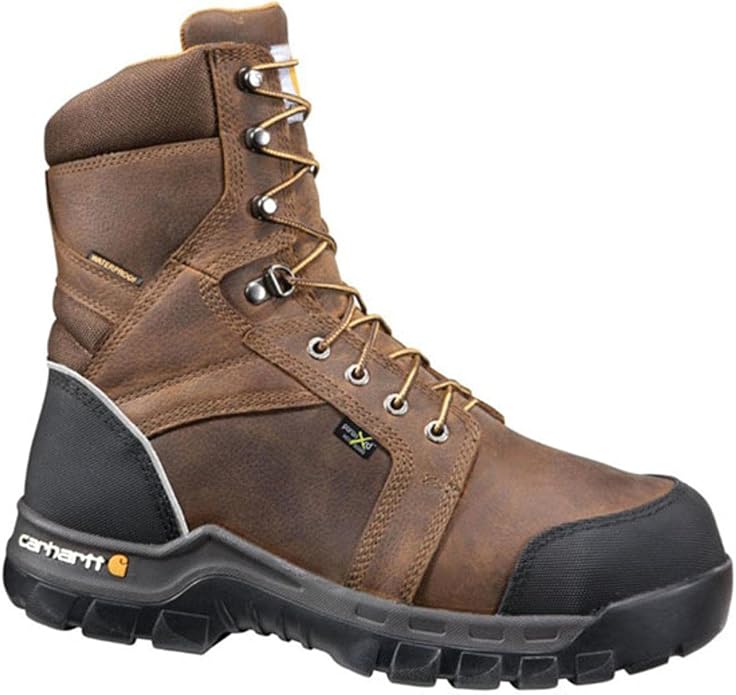
Goodyear welt construction with Storm Defender waterproofing and an 11-inch shaft — the most durable and protective construction boot on our list for extreme environments.
- Goodyear welt construction — resole-able, outlasts cemented soles by years
- Storm Defender waterproof breathable membrane blocks water while allowing airflow
- Steel safety toe meets ASTM F2413-18 for impact and compression
- Electrical hazard protection for multi-hazard sites
- Oil-tanned leather upper with Cordura nylon abrasion resistance
- 11-inch shaft for maximum ankle and lower leg coverage
- Pull-on design — no lacing required
- Goodyear welt means the boot can be resoled — much longer lifespan
- 11-inch shaft provides exceptional ankle, shin, and lower-leg protection
- Storm Defender membrane keeps feet dry without sacrificing breathability
- ASTM F2413-18 steel toe meets top safety standards
- Oil-tanned leather with Cordura nylon handles extreme abrasion
- Pull-on design is fast to don and doff on busy sites
- Heavier than 6-inch alternatives — not ideal for mobile workers
- Pull-on style can feel warm in summer heat
- Higher upfront cost — offset by significantly longer lifespan
The Carhartt Wellington is the most robust boot on this list, built for environments where most boots simply don’t last. The Goodyear welt construction is a genuine differentiator: unlike cemented soles that delaminate after months of abuse, the welt creates a mechanical bond between upper and sole that can be factory-resoled when the sole wears out — meaning a well-maintained pair of Wellingtons can last 5+ years with proper care.
The 11-inch shaft protects more of the lower leg than any standard 6-inch work boot, which matters on sites with deep mud, debris piles, or chemical spill risk. The Storm Defender membrane is genuinely breathable — we wore these on summer paving work and foot temperature stayed manageable despite the taller shaft. Best for: Excavation workers, concrete crews, pipeline workers, and anyone in environments with deep mud, chemical exposure, or extreme wear conditions.
American-made natural leather craftsmanship that ages beautifully — for workers who want a boot that looks as good on day 500 as it did on day one.
- Natural leather upper — develops a rich patina with wear
- Bump toe provides extra room in the front for comfort
- Double-layer leather toe cap and heel pocket for structure and durability
- Easy scuff management — buff out with a dry cloth
- Classic Iron Ranger silhouette — work-ready and off-site stylish
- Red Wing’s legendary American craftsmanship and resoleable construction
- Natural leather ages beautifully — improves in character over time
- Double-layer toe cap adds structural durability to a vulnerable area
- Bump toe is comfortable for workers with wider feet or those needing toe room
- Simple maintenance routine keeps these looking sharp long-term
- Resoleable construction extends lifespan significantly
- One of the best-looking work boots available — transitions off-site naturally
- Sizing runs large — recommend sizing down ½ to 1 full size
- Natural leather requires more regular conditioning than synthetic alternatives
- Higher price point — reflects premium materials and USA manufacturing
- Not ASTM safety-toe rated — not appropriate for sites requiring certified toe protection
The Red Wing Iron Ranger occupies a unique position on our list: it’s the premium style-forward choice for workers who don’t need ASTM-rated toe protection but want a boot that handles light construction demands while looking genuinely outstanding. The natural leather tells a story over time — the scuffs and patina that accumulate with wear become part of the boot’s character rather than signs of damage.
The double-layer leather toe cap and heel pocket add structural durability that single-layer boots lack, and the resoleable construction means these boots can be maintained indefinitely with proper leather care. Sizing note: Red Wing Iron Rangers consistently run large — our testers recommend sizing down half a size to a full size for a proper fit. Best for: Site managers, architects, light construction work, and workers who want a boot that performs on-site and looks premium off-site.
Construction sites are consistently wet and muddy environments. Concrete work involves water. Excavation means mud. Rain doesn’t cancel most schedules. And if you’re working near chemicals, non-waterproof boots are a health risk, not just a comfort issue.
Beyond comfort, wet feet are a safety problem. Soaked socks reduce grip on ladder rungs and scaffolding. Cold feet cause mental distraction and slower reaction times. Extended exposure to damp conditions causes trench foot, fungal infections, and blisters — all occupational health issues that compound over time if ignored.
Waterproof boots also prevent bacterial and fungal growth that thrives in warm, damp environments inside a boot. Workers who switch to genuinely waterproof footwear consistently report fewer foot health issues, lower end-of-shift fatigue, and better focus on the job.
Even the best waterproof boots will fail prematurely without proper care. Follow these steps to extend the life and waterproof performance of your boots — most workers skip at least half of these and wonder why their boots stop performing after a few months.
- Clean after every muddy shift. Use a damp cloth or soft brush to remove mud and debris while it’s still fresh. Dried mud is harder to remove and can crack leather if left long-term. Focus on the seams and the upper-to-sole junction where debris accumulates.
- Condition leather uppers regularly. Apply a quality leather conditioner every 4–6 weeks to keep leather supple and prevent cracking. Dry, cracked leather loses waterproof properties quickly. Use a conditioner that’s compatible with your boot’s leather type — oil-tanned and full-grain leather have different needs.
- Reapply waterproofing spray every 2–3 months. Even waterproof membrane boots benefit from periodic waterproofing spray on the outer leather. The membrane protects internally, but keeping the leather exterior hydrophobic adds a first-line defense. Use a spray designed for leather work boots.
- Air dry completely before storing. Never store boots while still damp — this accelerates bacterial growth and causes leather to stiffen and crack. Remove the insoles and let boots dry at room temperature. Avoid direct heat sources like radiators or sunlight, which dry leather too quickly and cause cracking.
- Rotate between two pairs when possible. A boot allowed to rest between wears maintains its structural cushioning longer. EVA midsoles need 24 hours to recover their full cushioning properties after compression. If you wear the same pair daily, the midsole compresses faster and foot fatigue increases over time.
- Replace when the sole grip degrades or the midsole flattens. No amount of conditioning restores a worn outsole or compressed midsole. Replace boots when you notice reduced grip on wet surfaces, a flatter feel underfoot despite fresh insoles, or visible sole wear that’s approaching the midsole. On active construction sites, this is typically every 6–12 months.
Construction sites involve concrete work, excavation, rain exposure, and chemical contact — all situations where non-waterproof boots fail quickly. Wet feet on construction sites create safety hazards (reduced ladder grip, slippage), health risks (trench foot, fungal infections, blisters), and productivity losses from discomfort and distraction. Waterproof boots eliminate these issues and are required PPE on most regulated commercial construction sites.
Both are waterproof breathable membranes that block liquid water while allowing sweat vapor to escape. Gore-Tex is the industry standard, manufactured by W.L. Gore, and licensed to many brands. KEEN.DRY is KEEN’s proprietary membrane, which KEEN claims offers comparable waterproofing with slightly better breathability in warm conditions. In real-world construction use, both perform excellently — the difference is marginal enough that the rest of the boot’s features should drive your decision.
Steel toe provides maximum impact and compression protection and is the most cost-effective option. Composite toe (fiberglass or carbon fiber) is lighter, non-conductive (important for electricians), and won’t set off metal detectors — useful for government sites and airports. Both meet the same ASTM F2413 safety standards. For most general construction work, steel toe is the practical choice. For electrical work or sites with metal detector checkpoints, composite toe is worth the premium.
On an active construction site with daily wear, expect 6–12 months from a quality boot. Cemented-sole boots typically hit the lower end of this range; welted boots (Goodyear or contour welt) last significantly longer and can be resoled when the sole wears out. Workers who properly maintain their boots — cleaning, conditioning, and drying after each shift — consistently get 12+ months from quality leather boots. If your boots are failing in under 6 months, you’re either under-maintaining them or they weren’t built for active construction use.
EH protection is required on sites where workers may come into incidental contact with electrical hazards — live circuits, overhead lines, or electrical equipment. OSHA requires appropriate foot protection based on the site’s specific hazards. If you’re on a multi-trade site where electricians and non-electricians share space, EH-rated boots are a smart safety baseline even if your primary role doesn’t involve electrical work. Check your site’s PPE requirements before purchasing.
For most general construction — concrete work, framing, finishing — a 6-inch shaft provides adequate ankle support and is comfortable for all-day wear. For excavation, pipeline, earthwork, or any environment with deep mud or debris piles, an 8-inch to 11-inch shaft provides significantly better protection and ankle stability. The taller the shaft, the more debris protection — but also the more weight and heat retention. Match shaft height to your primary work environment.
Yes — and for workers with flat arches, plantar fasciitis, or other foot conditions, custom orthotics can significantly reduce shift fatigue and pain. Most quality construction boots have removable insoles specifically to allow orthotic use. If you use custom orthotics, make sure your boot has a removable insole (the KEEN Pittsburgh and Wolverine Overpass both do) and consider going half a size up to accommodate the orthotic’s additional volume.
The clearest sign is water soaking through the leather rather than beading on the surface. You can also do a simple test: pour a small amount of water on the boot’s exterior. If it beads up and rolls off, waterproofing is intact. If it soaks in immediately, the surface treatment has failed. Reapply a waterproofing spray and allow to dry — if the issue persists, the membrane itself may be compromised (usually from a puncture or seam failure), and the boot should be replaced.
💡 Conclusion: Choosing the Right Boot for Your Site
When choosing the best waterproof construction work boots, there’s no single answer — the right boot depends on your specific job, your environment, and how long you’re on your feet. The five options on our list cover the full spectrum of construction needs, from mobile workers on general sites to excavation crews in extreme conditions.
For most construction workers who need reliable all-day comfort and genuine waterproofing, the Wolverine Overpass is our top recommendation — it delivers composite-toe safety, true waterproofing, flexible construction, and chemical-resistant grip in a single package. If your priority is ANSI-certified comfort for extended shifts, the Timberland PRO Pit Boss is the most proven choice in the industry.
For extreme environments requiring maximum coverage and lifespan, the Carhartt Wellington‘s Goodyear welt and 11-inch shaft make it the right long-term investment. Whatever you choose, prioritize the features that match your specific site hazards — and maintain your boots properly to get the full lifespan out of the investment.
Your feet carry you through every shift. Invest in boots that carry them back safely.